
để lại lời nhắn
Nếu bạn quan tâm đến sản phẩm của chúng tôi và muốn biết thêm chi tiết, vui lòng để lại lời nhắn tại đây, chúng tôi sẽ trả lời bạn sớm nhất có thể.




Đây là món đồ tuyệt vời nhất tôi mua được mùa đông này! Màu sắc và kiểu đan rất tinh tế và vô cùng thoải mái! Tôi đã mặc nó từ New York đến Miami mà không hề cởi ra. Siêu dễ thương!!
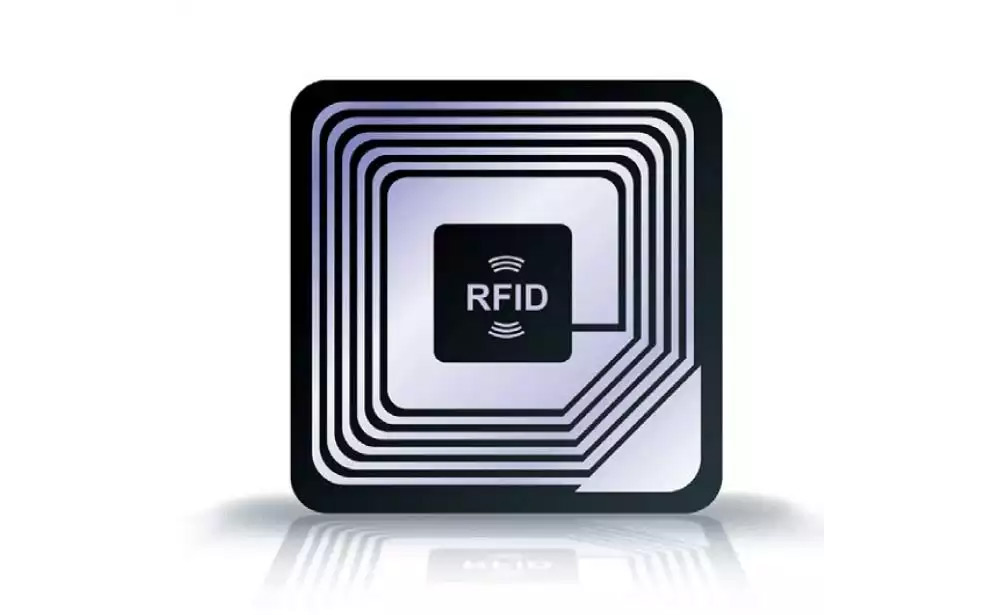
Chuỗi cung ứng hiện đại ngày càng trở nên phức tạp. Sản phẩm thường di chuyển qua nhiều nhà máy, kho hàng, trung tâm phân phối, trung tâm vận chuyển và địa điểm bán lẻ trước khi đến tay khách hàng cuối cùng. Các phương pháp theo dõi truyền thống như nhập liệu thủ công và quét mã vạch không còn đủ đáp ứng nhu cầu của các doanh nghiệp cần khả năng hiển thị theo thời gian thực và quản lý hàng tồn kho chính xác. Đây là lúc công nghệ RFID trở thành một công cụ mạnh mẽ.
RFID, hay Nhận dạng Tần số Vô tuyến, cho phép các doanh nghiệp tự động nhận dạng và theo dõi sản phẩm mà không cần quét trực tiếp. Bằng cách tích hợp RFID vào mọi giai đoạn của chuỗi cung ứng, các công ty có thể tạo ra một hệ thống theo dõi minh bạch, thông minh và hiệu quả cao, giúp cải thiện hiệu suất hoạt động đồng thời giảm chi phí.
Bài viết này sẽ tìm hiểu cách xây dựng chuỗi cung ứng tích hợp công nghệ RFID để theo dõi và các bước quan trọng mà doanh nghiệp cần thực hiện để đảm bảo triển khai thành công.
Trước khi xây dựng chuỗi cung ứng RFID, điều quan trọng là phải hiểu cách công nghệ này hoạt động. Một hệ thống RFID thường bao gồm ba thành phần: thẻ RFID, đầu đọc RFID và phần mềm quản lý.
Thẻ RFID được gắn vào sản phẩm, thùng carton, pallet, vật dụng vận chuyển có thể tái sử dụng hoặc container. Mỗi thẻ chứa một số nhận dạng duy nhất đại diện cho sản phẩm hoặc tài sản đó.
Đầu đọc RFID sử dụng sóng radio để giao tiếp với thẻ và tự động thu thập thông tin của chúng. Đầu đọc có thể được gắn cố định tại các điểm kiểm tra cụ thể như cửa kho hoặc dây chuyền băng tải, hoặc chúng có thể là thiết bị cầm tay được sử dụng bởi người vận hành.
Dữ liệu thu thập được sẽ được truyền đến các nền tảng phần mềm như hệ thống quản lý kho (WMS), hệ thống hoạch định nguồn lực doanh nghiệp (ERP), hệ thống quản lý vận tải (TMS) hoặc các nền tảng phân tích dựa trên điện toán đám mây.
Nhờ sự kết hợp của các thành phần này, quá trình vận hành sản phẩm trong toàn bộ chuỗi cung ứng được giám sát liên tục.
Bước đầu tiên trong việc xây dựng chuỗi cung ứng tích hợp công nghệ RFID là xác định mục tiêu kinh doanh và các yêu cầu theo dõi.
Các ngành công nghiệp khác nhau có những ưu tiên khác nhau. Các nhà sản xuất có thể tập trung vào theo dõi tiến độ công việc và khả năng hiển thị sản lượng. Các nhà bán lẻ có thể ưu tiên độ chính xác của hàng tồn kho và hiệu quả bổ sung hàng. Các công ty hậu cần thường cần theo dõi lô hàng theo thời gian thực và bằng chứng giao hàng.
Các mục tiêu chung bao gồm:
Cải thiện độ chính xác của hàng tồn kho
Giảm thiểu các thao tác quét thủ công
Tăng năng suất kho hàng
Ngăn ngừa sai sót trong vận chuyển
Nâng cao khả năng truy xuất nguồn gốc sản phẩm
Giảm thiểu thất thoát và trộm cắp
Hỗ trợ tuân thủ quy định
Nâng cao chất lượng dịch vụ khách hàng
Việc xác định rõ ràng các mục tiêu này giúp xác định kiến trúc RFID và chiến lược triển khai phù hợp.
Không phải tất cả các công nghệ RFID đều phù hợp với mọi môi trường chuỗi cung ứng.
RFID tần số thấp (LF) thường được sử dụng để nhận dạng động vật và kiểm soát ra vào nhưng có khoảng cách đọc hạn chế.
RFID tần số cao (HF) được sử dụng rộng rãi trong thư viện, thẻ thanh toán và các ứng dụng xác thực.
RFID tần số siêu cao (UHF) là lựa chọn ưu tiên cho việc theo dõi chuỗi cung ứng vì nó hỗ trợ khoảng cách đọc xa, đọc nhiều thẻ nhanh và triển khai quy mô lớn.
Đối với hầu hết các ứng dụng trong chuỗi cung ứng, Thẻ RFID UHF thụ động Dựa trên tiêu chuẩn EPC Gen2, sản phẩm này mang lại sự cân bằng tốt nhất giữa chi phí và hiệu suất.
Các doanh nghiệp cũng nên xem xét các yếu tố môi trường như bề mặt kim loại, sản phẩm dạng lỏng, nhiệt độ khắc nghiệt và tiếp xúc với môi trường ngoài trời khi lựa chọn nhãn mác.
Một quyết định quan trọng trong việc triển khai RFID là xác định chính xác những gì sẽ được theo dõi.
Một số doanh nghiệp gắn thẻ RFID vào từng sản phẩm riêng lẻ để theo dõi thông tin từng mặt hàng. Phương pháp này phổ biến trong ngành bán lẻ quần áo, dược phẩm và hàng hóa xa xỉ.
Các tổ chức khác theo dõi thùng carton, pallet, thùng chứa tái sử dụng hoặc tài sản vận chuyển để giảm chi phí triển khai.
Các cấp độ theo dõi điển hình bao gồm:
Theo dõi ở cấp độ mặt hàng
Theo dõi ở cấp độ thùng carton
Theo dõi cấp độ pallet
Theo dõi ở cấp độ container
Theo dõi ở cấp độ xe
Nhiều công ty bắt đầu với việc theo dõi pallet và dần dần mở rộng sang gắn thẻ ở cấp độ thùng carton hoặc mặt hàng khi chi phí giảm và yêu cầu vận hành thay đổi.
Chuỗi cung ứng RFID thành công dựa trên các quy tắc nhận dạng nhất quán.
Mỗi thẻ RFID cần chứa một mã định danh duy nhất cho phép theo dõi sản phẩm trong suốt vòng đời của chúng.
Các doanh nghiệp thường định nghĩa cấu trúc dữ liệu bao gồm:
Thông tin SKU sản phẩm
Số lô sản xuất
Ngày sản xuất
Số sê-ri
Mã định danh nhà cung cấp
Địa điểm đến
Ngày hết hạn
Việc sử dụng hệ thống nhận dạng tiêu chuẩn đảm bảo tính tương thích giữa các nhà cung cấp, nhà cung cấp dịch vụ hậu cần, kho hàng và nhà bán lẻ.
Việc sử dụng các tiêu chuẩn mã hóa được công nhận toàn cầu cũng tạo điều kiện thuận lợi cho sự hợp tác giữa các đối tác trong chuỗi cung ứng.
Một trong những nguyên tắc quan trọng nhất trong thiết kế chuỗi cung ứng RFID là gắn thẻ sản phẩm càng sớm càng tốt.
Lý tưởng nhất là thẻ RFID nên được mã hóa và gắn vào trong quá trình sản xuất hoặc đóng gói. Quá trình này thường được gọi là gắn thẻ tại nguồn.
Gắn thẻ nguồn mang lại một số lợi ích:
Loại bỏ các quy trình gắn thẻ trùng lặp
Đảm bảo tính nhất quán của dữ liệu
Cải thiện khả năng quan sát hạ lưu
Giảm chi phí nhân công
Hỗ trợ khả năng truy xuất nguồn gốc trong toàn bộ vòng đời sản phẩm.
Trong quá trình vận chuyển sản phẩm qua chuỗi cung ứng, mã nhận dạng RFID ban đầu vẫn được gắn liền với sản phẩm và có thể được cập nhật thêm thông tin khi cần thiết.
Sau khi sản phẩm được gắn thẻ RFID, các tổ chức phải thiết lập mạng lưới thu thập dữ liệu RFID.
Đầu đọc RFID cố định thường được lắp đặt tại:
Lối ra dây chuyền sản xuất
Trạm đóng gói
Bến tiếp nhận hàng của kho
Cửa vận chuyển nhà kho
Hệ thống băng tải
Cơ sở trung chuyển hàng hóa
Trung tâm phân phối
kho hàng bán lẻ
Lối ra cửa hàng
Các điểm kiểm soát này tự động ghi lại các sự kiện di chuyển mà không cần sự can thiệp của con người.
Đầu đọc RFID cầm tay có thể bổ sung cho cơ sở hạ tầng cố định trong việc kiểm kê định kỳ, xử lý các trường hợp ngoại lệ và xác minh hàng tồn kho.
Việc bố trí vị trí người đọc một cách chiến lược là rất quan trọng vì sự chồng chéo quá mức giữa các vị trí đọc có thể dẫn đến nhiễu và đọc không chính xác.
Dữ liệu RFID chỉ thực sự có giá trị khi được tích hợp với các hệ thống kinh doanh.
Nền tảng phần mềm trung gian RFID đóng vai trò là cầu nối giữa các thiết bị phần cứng và các ứng dụng doanh nghiệp. Phần mềm trung gian này lọc các lần đọc trùng lặp, xác thực thông tin và chuyển đổi các sự kiện thẻ thô thành các giao dịch kinh doanh có ý nghĩa.
Ví dụ:
Khi một kiện hàng đi qua cửa xuất hàng của kho, hệ thống quản lý kho sẽ tự động kích hoạt xác nhận vận chuyển.
Việc một thùng hàng đến trung tâm phân phối có thể cập nhật hồ sơ tồn kho theo thời gian thực.
Cửa hàng bán lẻ khi nhận hàng có thể tự động ghi nhận tình trạng hàng tồn kho để lập kế hoạch bổ sung hàng.
Việc tích hợp cho phép theo dõi toàn diện chuỗi cung ứng và giảm sự phụ thuộc vào việc cập nhật thủ công.
Một trong những ưu điểm lớn nhất của RFID là khả năng giám sát sự di chuyển của sản phẩm trong thời gian thực.
Hệ thống mã vạch truyền thống chỉ cung cấp thông tin khi nhân viên chủ động quét sản phẩm. Công nghệ RFID liên tục thu thập dữ liệu chuyển động bất cứ khi nào các mặt hàng được gắn thẻ đi qua vùng đọc.
Các nhà quản lý chuỗi cung ứng có thể xác định ngay lập tức:
Mức tồn kho hiện tại
Vị trí sản phẩm
Trạng thái vận chuyển
Tiến độ giao hàng
Nút thắt cổ chai trong sản xuất
Hàng hóa bị chậm trễ
Tài sản bị mất
Khả năng theo dõi thời gian thực cho phép các tổ chức phản ứng nhanh hơn với các sự cố và nâng cao sự hài lòng của khách hàng.
Công nghệ RFID tạo ra lượng dữ liệu hoạt động khổng lồ. Các tổ chức có thể sử dụng các công cụ phân tích để chuyển đổi dữ liệu này thành những thông tin hữu ích có thể hành động được.
Ví dụ bao gồm:
Xác định các điểm tắc nghẽn trong kho hàng
Đo lường tỷ lệ vòng quay hàng tồn kho
Đánh giá hiệu suất của nhà cung cấp
Giám sát hiệu quả vận tải
Phát hiện sự chậm trễ vận chuyển thường xuyên
Cải thiện phân bổ lao động
Phân tích dự đoán thậm chí có thể dự báo tình trạng thiếu hàng tồn kho trước khi nó xảy ra, cho phép đưa ra các quyết định bổ sung hàng hóa chủ động.
Sự kết hợp giữa RFID và phân tích dữ liệu giúp chuyển đổi quản lý chuỗi cung ứng từ việc giải quyết vấn đề một cách thụ động sang tối ưu hóa chủ động.
Chuỗi cung ứng RFID sẽ trở nên mạnh mẽ hơn khi có thêm nhiều bên tham gia vào hệ sinh thái.
Các nhà sản xuất, nhà cung cấp, nhà cung cấp dịch vụ hậu cần bên thứ ba, nhà phân phối và nhà bán lẻ nên trao đổi dữ liệu RFID để duy trì khả năng giám sát toàn diện từ đầu đến cuối chuỗi cung ứng.
Ví dụ, nhà sản xuất có thể xem thông tin về thời điểm lô hàng khởi hành, nhà cung cấp dịch vụ hậu cần có thể theo dõi tiến độ vận chuyển, và nhà bán lẻ có thể theo dõi các lô hàng sắp đến trước khi chúng được giao.
Việc chia sẻ dữ liệu giúp cải thiện độ chính xác của dự báo, giảm yêu cầu về lượng hàng tồn kho an toàn và giảm thiểu sự chậm trễ trong giao tiếp.
Việc xây dựng mạng lưới RFID hợp tác thường mang lại giá trị lớn hơn so với việc triển khai riêng lẻ trong từng cơ sở.
Khi việc ứng dụng RFID ngày càng phổ biến, các tổ chức cũng cần phải xem xét đến vấn đề bảo mật dữ liệu.
Cần phải triển khai các biện pháp kiểm soát truy cập để ngăn chặn người dùng trái phép xem thông tin nhạy cảm về chuỗi cung ứng.
Mã hóa và các giao thức truyền thông an toàn có thể bảo vệ dữ liệu RFID trong quá trình truyền tải.
Các doanh nghiệp cũng nên thiết lập chính sách lưu giữ dữ liệu và quy trình tuân thủ để đáp ứng các yêu cầu pháp lý.
Hệ thống RFID an toàn giúp xây dựng lòng tin giữa các đối tác trong chuỗi cung ứng và bảo vệ thông tin kinh doanh quan trọng.
Nhiều dự án RFID thành công bắt đầu bằng việc triển khai thí điểm thay vì triển khai quy mô lớn.
Các tổ chức có thể bắt đầu bằng cách theo dõi một danh mục sản phẩm, kho hàng hoặc trung tâm phân phối duy nhất. Sau đó, các chỉ số hiệu suất được đo lường trước khi mở rộng sang các hoạt động khác.
Các chỉ số phổ biến bao gồm:
Cải thiện độ chính xác tồn kho
Tiết kiệm lao động
Giảm thiểu lỗi vận chuyển
Tốc độ hoàn thành đơn hàng
Tỷ lệ sử dụng tài sản
Lợi tức đầu tư
Các dự án thí điểm giúp giảm thiểu rủi ro đồng thời cho phép doanh nghiệp tinh chỉnh quy trình và cấu hình công nghệ.
Sau khi chứng minh được hiệu quả, hệ thống RFID có thể được mở rộng ra toàn bộ chuỗi cung ứng.
Tương lai của quản lý chuỗi cung ứng sẽ phụ thuộc rất nhiều vào tự động hóa, khả năng hiển thị theo thời gian thực và việc ra quyết định thông minh.
Công nghệ RFID ngày càng được kết hợp với các công nghệ như Internet vạn vật (IoT), trí tuệ nhân tạo, điện toán đám mây và mô hình song sinh kỹ thuật số. Sự kết hợp này cho phép bảo trì dự đoán, kho tự động và hệ sinh thái hậu cần được kết nối hoàn toàn.
Khi giá thẻ RFID tiếp tục giảm và hiệu suất đọc tiếp tục được cải thiện, việc ứng dụng công nghệ này trong các ngành công nghiệp dự kiến sẽ tăng tốc.
Các doanh nghiệp đầu tư vào RFID ngày nay đang xây dựng nền tảng cho thế hệ chuỗi cung ứng thông minh tiếp theo.
Xây dựng chuỗi cung ứng sử dụng công nghệ RFID để theo dõi không chỉ đơn thuần là thay thế mã vạch bằng công nghệ tần số vô tuyến. Nó bao gồm việc thiết kế một hệ sinh thái tích hợp kết nối các sản phẩm, tài sản, cơ sở vật chất, mạng lưới vận chuyển và hệ thống kinh doanh.
Bằng cách lựa chọn công nghệ RFID phù hợp, xác định mục tiêu theo dõi, thực hiện gắn thẻ nguồn, triển khai đầu đọc một cách chiến lược và tích hợp dữ liệu với phần mềm doanh nghiệp, các công ty có thể đạt được khả năng hiển thị chuỗi cung ứng và hiệu quả hoạt động chưa từng có.
Trong một thị trường toàn cầu ngày càng cạnh tranh, RFID đã trở thành nhiều hơn chỉ là một công nghệ theo dõi. Nó là một công cụ chiến lược cho phép các doanh nghiệp tạo ra chuỗi cung ứng nhanh hơn, thông minh hơn và bền vững hơn, đáp ứng được nhu cầu của thương mại hiện đại.

Thông tin chi tiết và file PDF

Liên hệ hỗ trợ qua email.

Tư vấn kỹ thuật chuyên nghiệp.

Liên hệ hỗ trợ qua email.



LIÊN KẾT

YouTube

để lại lời nhắn
Quét mã để gửi đến WeChat/WhatsApp :



 IPv6 ĐƯỢC HỖ TRỢ MẠNG